Under 7 · 7 to 11
Make a toy cart
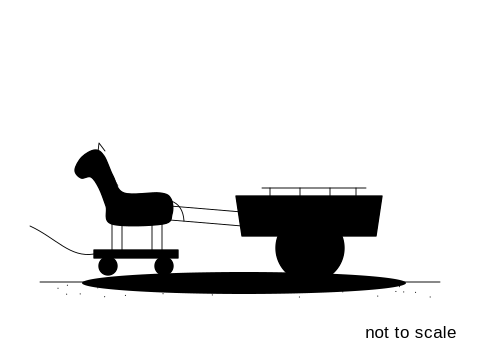
Make a card toy cart. Old poems show children playing with carts like it.
What you need
- Thin card, such as a biscuit box
- Scissors (a grown-up cuts)
- Glue or tape
Drawn from a poem: our paper model, not a found toy
Families
Things to make, read aloud and visit with a child, each built from what the studies on this site say. Everything prints. Nothing needs an account.
Under 7 · 7 to 11
Make a card toy cart. Old poems show children playing with carts like it.
What you need
Drawn from a poem: our paper model, not a found toy
000Tonight
Each takes about twenty minutes, with things you have at home. Choose an age to narrow the list.
12 activities for this age (the others are faded)

Look at real photographs together, and find shapes, colours and marks.
You need
Found: real photos of stones, pots, beads and marks

Colour a black-and-red pot, then talk about why it has two colours.
You need
Found: black-and-red pot tested at Keezhadi (Keeladi)
Make a card toy cart. Old poems show children playing with carts like it.
You need
Drawn from a poem: our paper model, not a found toy

Sort food cards: found at old sites, probably there, nobody knows yet, or came much later.
You need
Found: plant remains from Pattanam and Kodumanal
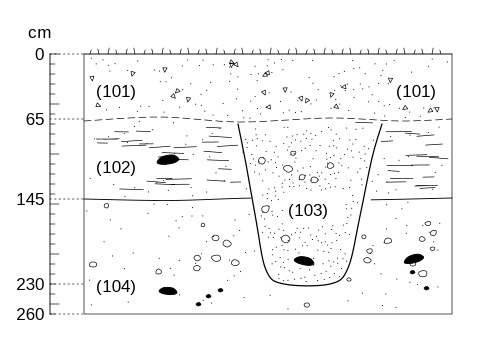
Make layers in a jar. What goes in last ends up on top, unless someone digs a hole.
You need
Made up for practice: practice section, not a real dig
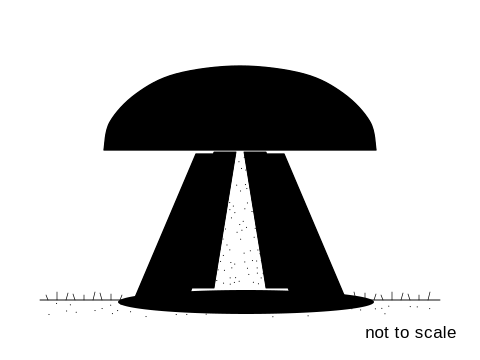
Make a paper model of an umbrella stone. It is not to scale.
You need
Found: umbrella stones in Kerala; paper model is not to scale

Sort sentences about three real places: found, thought, or still argued about.
You need
Found: sentences from Cheramanangad, Keezhadi and Korkai

A grown-up reads a sentence. Your child holds up a card for how sure we can be.
You need
Found in studies: twelve graded statements from this site

Look at a slashed coin. Think of reasons, then see why nobody can tell yet.
You need
Found: slashed gold coins from Pudukkottai
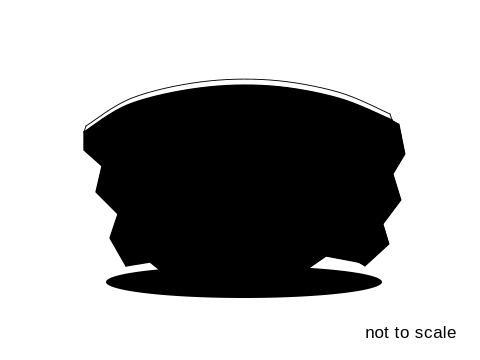
Scratch your first letter on a play-dough pot, then talk about what a name can tell us.
You need
Found: scratched potsherds from Keezhadi; dough play is modern

Paper boats and a fan: winds help, but there was no fixed timetable.
You need
Found in old texts: seasonal winds; arrows show wind, not voyages
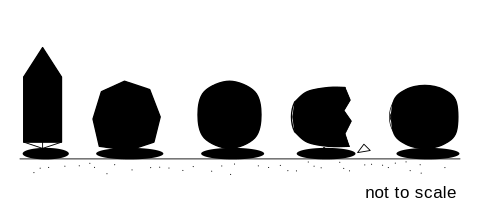
Sort clues that show beads were made at a place, and clues that do not.
You need
Found: stone chips, rough-outs and half-drilled beads at Kodumanal
002Read aloud
Eight short true pieces. Each ends with what we know and what nobody knows yet.
Long ago, poets made poems in the Tamil language. People copied the poems by hand onto palm leaves. Much later, the poems were printed in books. Some of these old poems show children with small toy carts. The poems are called Kuruntokai 61 and Ainkurunuru 403. The grown-ups in the poems are tender towards children. But a poem is not a photo. It shows a world the poet imagined. Real families may have been like this, but the poems cannot show it. In one poem, a child has the same name as the grandfather. That is just one poem. It does not show a rule for every family.
Did children play board games too?
Old game boards and pieces have been found. But their rules did not survive with them. The rules people show today were worked out much later.
003Look closer
A date on wood tells you when the tree grew, not when the building was made.
At Pattanam, the wood dates are too broad to say when the wharf was built.
What would you want to know before you date a whole building?
What exactly the date measured. A tree can be cut long after it grew.
Finished beads can travel far, but chips and half-drilled beads stay where the work was done.
At Kodumanal, finds like these show that stone beads were made there.
Which tells you more: one finished bead, or a pile of chips and half-made beads?
The pile. Waste stays where the work was done.
A name scratched on a pot is a clue, but the marks alone cannot show who owned the pot.
The pots give no count of people and no count of writers.
If you counted the pots with names, would you know how many people could read?
No. The pots give no count of people, so nobody knows yet.
An old Tamil book of rules, the Tolkappiyam, names seven akam tinai, or poetic modes, and singles out a middle five linked to landscapes.
Scholars think the five were probably not five separate ways of making a living.
How could you test what a poem says about a crop?
Compare it with dated plant remains from real places.
At Eyyal, one jar held Roman gold, Roman silver and punch-marked silver coins together.
The newest Roman coin in it dates to 98–99 CE, so the jar went into the ground then or later.
Does the newest coin tell you the exact year the jar was buried?
No. A coin can be used for years before it is buried. The newest coin only gives the earliest possible year.
At Ariyannur, the umbrella stones are shaped from a stone called laterite.
The sources used give no dig report and no laboratory date for them.
Could the shape of a stone, on its own, tell you when it was built?
No. You would need a dig and a dated sample.
004Talking about how sure
Nobody knows yet is an honest answer.
When the evidence runs out, say so. It is not a failure, and it is where new research starts.
What would help us find out?
Turn a guess into a question: a dig, a test, a better record.
Was it found, or is it a guess?
Something dug up is different from what people think it means.
How sure can we be?
Use the four words below. A reason matters more than the word.
Who told us this, and how did they know?
A poem, a coin and a laboratory test each tell a different kind of story.
Two experts can read the same clue in different ways.
That is normal. Ask what new evidence would settle it.
Say how sure we can be, and why, rather than yes or no.
Point to what was found, and to what people think it means.
If the evidence is thin, say "maybe" or "nobody knows yet". An honest "we do not know" is a good answer.
Many old sites in Kerala and Tamil Nadu are burial places. Our family pages mention burials plainly and show no human remains.
Some places are also holy to people today. Visit quietly and follow the rules on the place card.
005Privacy
Requests recorded by this page since this page opened stay on this site (browser add-ons not counted). On a fresh visit, nothing is stored on this device. Without JavaScript, open Developer Tools (Network and Storage tabs) to inspect requests and storage directly.