Families
Twenty-minute activities
Twelve things to make, sort and talk about with a child. Each has a page for you and a sheet for your child to print.
By age
12 activities for this age (the others are faded)

Look and find
Look at real photographs together, and find shapes, colours and marks.
You need
- This page on a screen, or the sheet printed
- A crayon for circling
Found: real photos of stones, pots, beads and marks

The two-colour pot
Colour a black-and-red pot, then talk about why it has two colours.
You need
- A black crayon and a red crayon
- The sheet, printed
Found: black-and-red pot tested at Keezhadi (Keeladi)
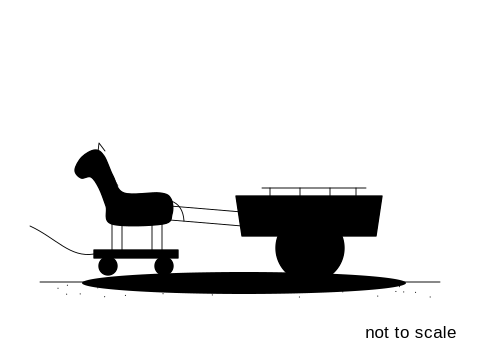
Make a toy cart
Make a card toy cart. Old poems show children playing with carts like it.
You need
- Thin card, such as a biscuit box
- Scissors (a grown-up cuts)
- Glue or tape
- A pencil and some string
Drawn from a poem: our paper model, not a found toy

Kitchen detective
Sort food cards: found at old sites, probably there, nobody knows yet, or came much later.
You need
- The food cards, cut out
- Four spaces on a table for the four groups
Found: plant remains from Pattanam and Kodumanal
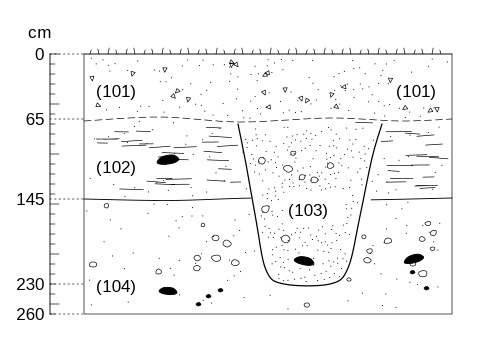
Layers in a jar
Make layers in a jar. What goes in last ends up on top, unless someone digs a hole.
You need
- A clear jar or glass
- Dry things in different colours, such as sand, soil, rice or lentils
- A spoon and a small button
Made up for practice: practice section, not a real dig
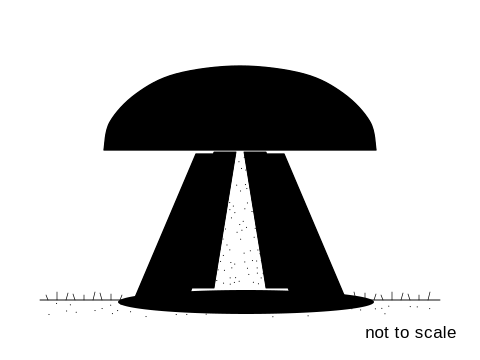
Fold an umbrella stone
Make a paper model of an umbrella stone. It is not to scale.
You need
- Thin card
- Scissors (a grown-up cuts)
- Glue or tape
Found: umbrella stones in Kerala; paper model is not to scale

Found or guessed?
Sort sentences about three real places: found, thought, or still argued about.
You need
- The sheet, printed
- A pencil
Found: sentences from Cheramanangad, Keezhadi and Korkai

The how-sure game
A grown-up reads a sentence. Your child holds up a card for how sure we can be.
You need
- The four cards on the sheet, cut out
- Crayons, if you want to colour them
Found in studies: twelve graded statements from this site

Why were coins cut?
Look at a slashed coin. Think of reasons, then see why nobody can tell yet.
You need
- The sheet, printed
- A pencil
Found: slashed gold coins from Pudukkottai
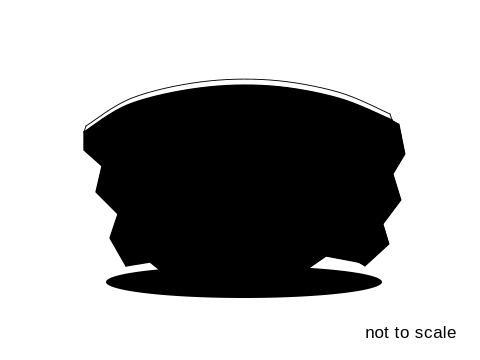
Letters on pots
Scratch your first letter on a play-dough pot, then talk about what a name can tell us.
You need
- Play dough or clay
- A blunt pencil or a stick
Found: scratched potsherds from Keezhadi; dough play is modern

Wind and boats
Paper boats and a fan: winds help, but there was no fixed timetable.
You need
- Paper for folding boats
- A shallow tray of water (keep a grown-up beside young children near water)
- A fan, or your own breath
Found in old texts: seasonal winds; arrows show wind, not voyages
Bead workshop clues
Sort clues that show beads were made at a place, and clues that do not.
You need
- The clue cards, cut out
- A pencil
Found: stone chips, rough-outs and half-drilled beads at Kodumanal