Skip to content
Layers of the South
Search

Classroom screen · B2

Letters on pots

The screen fills the window. Right and Left arrows, or Page Down and Page Up, move between screens. Home and End go to the first and last. F fills the whole screen. T starts a timer.

Each screen prints on its own landscape page, for a classroom without a projector.

Back to the lesson plan

00:00 / 05:00

    Timings are the plan's suggestion, not a measure of pupils.
    Look first

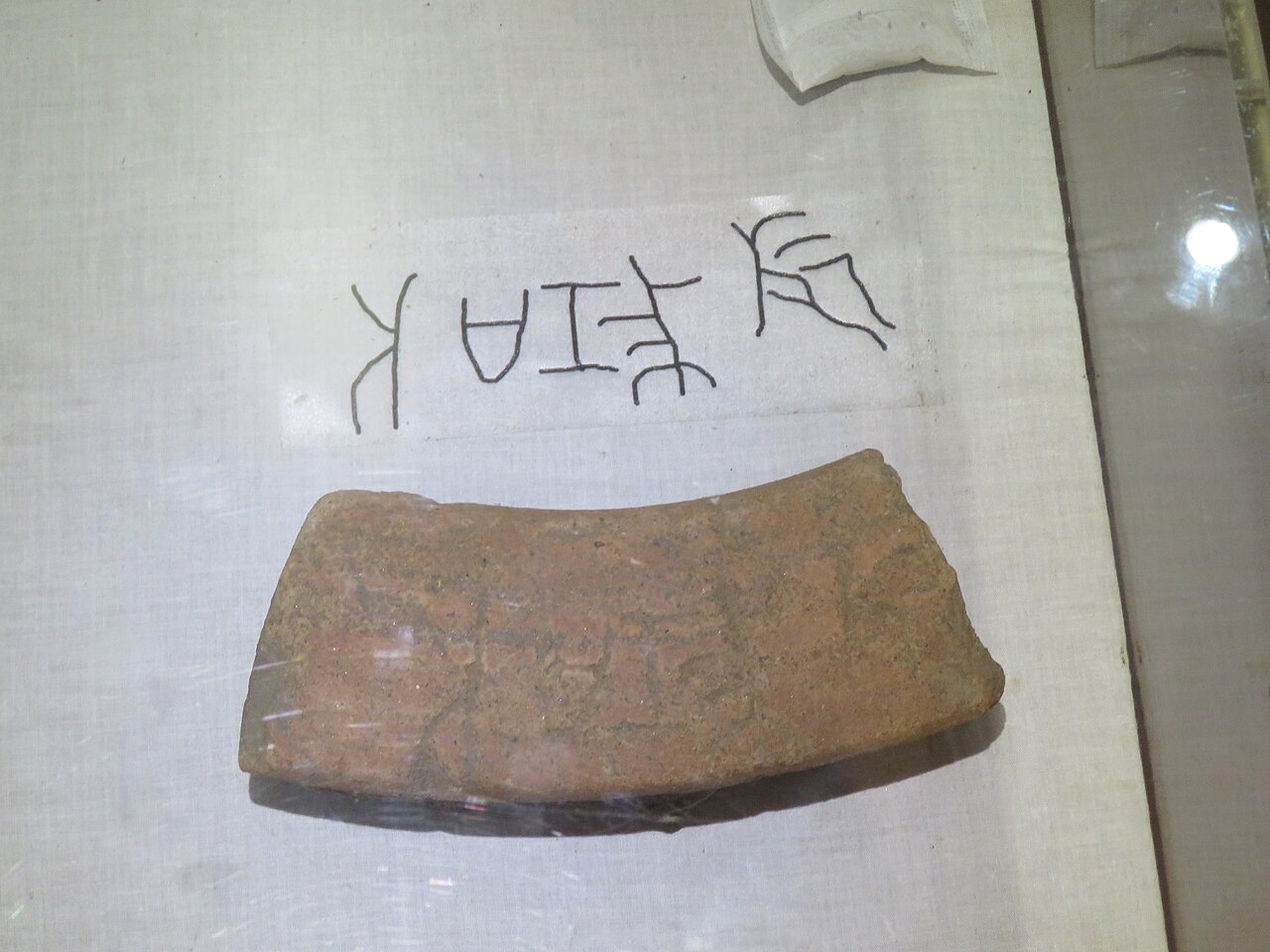
    A curved pottery sherd beneath a large drawn transcription of its marks.

    Photo: Vinayaraj (Wikimedia Commons). Licence: CC BY-SA 4.0 (https://creativecommons.org/licenses/by-sa/4.0). Source: https://commons.wikimedia.org/wiki/File:Tamil-Brahmi_Inscription,_Pattanam_excavation_museum,_Kottappuram,_Kodungallur.jpg

    Look at the broken pot and the big letters drawn above it. What do you think you see? What puzzles you?

    • I think
    • It puzzles me
    • I could find out by

    1/12

    Writing on stone or pottery

    Writing on a broken pot

    A curved pottery sherd beneath a large drawn transcription of its marks.

    Photo: Vinayaraj (Wikimedia Commons). Licence: CC BY-SA 4.0 (https://creativecommons.org/licenses/by-sa/4.0). Source: https://commons.wikimedia.org/wiki/File:Tamil-Brahmi_Inscription,_Pattanam_excavation_museum,_Kottappuram,_Kodungallur.jpg

    • This broken pot was on show in the museum at Pattanam.
    • The museum shows its marks as Tamil-Brahmi writing.
    • The big letters drawn above it are a modern tracing, not a reading.

    What it cannot tell us Letter shapes show a family link. They do not give an exact date.

    • Teacher notes Tamil-Brahmi letters belong to a wider family of letters called Brahmi. Experts compared the shapes and sounds of the letters. Experts do not agree about when people first wrote Tamil in these letters.
    • Look What can you see on the broken pot? What is drawn above it?
    • Talk Why does the museum draw the letters large above the pot?
    • Ask What would you like to know about the person who wrote on it?

    2/12

    Writing on stone or pottery

    Names scratched at Keezhadi

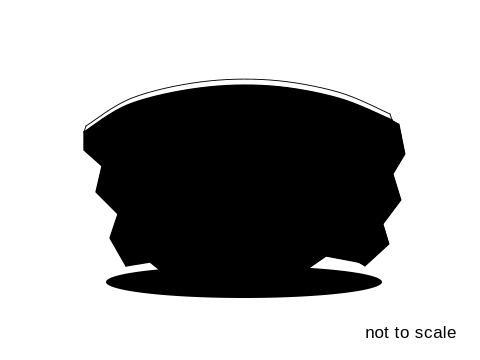
    A broken piece from the rim of a bowl. Three Tamil-Brāhmī letters are scratched into its outside. They spell ātaṉ. A drawing, not a real sherd. Not to scale.
    • Keezhadi (Keeladi) is a big old settlement in Tamil Nadu, with buildings of brick.
    • Writing was scratched on lots of broken pots there.
    • Some of the words are read as people's names.

    What it cannot tell us A name scratched after firing does not tell us who scratched it.

    • Teacher notes A report says the words were scratched after the pots were fired. Other marks on the pots are signs that nobody can read yet.
    • Look What was scratched on the pots?
    • Talk Why does it matter that the words were scratched after the pots were fired?
    • Ask Whose names do you think these were?

    3/12

    From a text

    What the pots cannot tell us

    Teaching sherd with one modern score and two possible groove profiles: a rounded soft-clay example and a chipped fired-surface example. These drawings are not a diagnostic key.
    • One report says the names are probably the names of the pots' owners.
    • But the marks alone cannot show who owned a pot.
    • The pots give no count of people and no count of writers.

    What it cannot tell us Lots of written pots show that writing was used. They do not show how many people could read.

    • Teacher notes Scientists tested a sample from Keezhadi to find its date. It has not been shown to come from the same layer as the written pots.
    • Look Whose names does one report think these are?
    • Talk Why can't a name on a pot prove who owned it?
    • Ask What would you need to find out how many people could read?

    4/12

    Sort

    Sort the sentences from the Keezhadi card and the last card. Use the boxes found, worked out and nobody knows yet.

    1. 1Keezhadi is a big old settlement in Tamil Nadu, with buildings of brick.
    2. 2Writing was scratched on lots of broken pots there.
    3. 3Some of the words are read as people's names.
    4. 4A report says the words were scratched after the pots were fired.
    • Found
    • Worked out
    • Nobody knows yet

    5/12

    Sort

    Sort the sentences from the Keezhadi card and the last card. Use the boxes found, worked out and nobody knows yet.

    1. 5Other marks on the pots are signs that nobody can read yet.
    2. 6One report says the names are probably the names of the pots' owners.
    3. 7But the marks alone cannot show who owned a pot.
    4. 8The pots give no count of people and no count of writers.
    • Found
    • Worked out
    • Nobody knows yet

    6/12

    Sort

    Sort the sentences from the Keezhadi card and the last card. Use the boxes found, worked out and nobody knows yet.

    1. 9Scientists tested a sample from Keezhadi to find its date.
    2. 10It has not been shown to come from the same layer as the written pots.
    • Found
    • Worked out
    • Nobody knows yet

    7/12

    How sure can we be? 1/4

    Writing on pots was part of everyday life at Keezhadi.

    • strong evidence
    • probably
    • maybe
    • nobody knows yet

    8/12

    How sure can we be? 2/4

    Tamil-Brahmi belongs to the Brahmi family of letters.

    • strong evidence
    • probably
    • maybe
    • nobody knows yet

    9/12

    How sure can we be? 3/4

    The people named on the pots owned them.

    • strong evidence
    • probably
    • maybe
    • nobody knows yet

    10/12

    How sure can we be? 4/4

    How many people at Keezhadi could read or write?

    • strong evidence
    • probably
    • maybe
    • nobody knows yet

    11/12

    Before you go

    Who wrote on these pots? Write your answer and one reason from the cards.

    12/12