Skip to content
Layers of the South
Search

Lesson B3 · Unit B: How do we find out?

Made here?

Were these beads made here or brought here?

Project this lessonClass vote

Ages
Ages 9 to 11
Minutes
30 / 40 / 45
Ladder step
2 Sort, 3 Grade

Curriculum

No curriculum line is published for this lesson.

Draft written with AI assistance; not yet tried in a classroom

Five pieces of quartz side by side: a raw crystal, a chipped rough-out, a rounded blank with no hole, a bead that broke while it was drilled, and a finished bead with a hole through it. Not to scale.
The kinds of piece that show beads were made at a place. They are set side by side; the drawing does not claim every bead was made in this order.

001At a glance

Pupils look for the clues that show where beads and shell bangles were made, sort clues of making from finished things, and grade five statements.

Objectives

  • I can sort clues of making from finished things.
  • I can use clues to say whether something was made in a place or brought there.
  • I can grade a statement about making and give a reason.

Pupils should already know

  • Pupils have sorted found, worked out and nobody knows yet, and graded statements, in lessons B1 and B2.
  • Pupils know that making things leaves waste behind, such as wood shavings or paper offcuts.

Materials

Print
  • One sheet per pupil: support, core or stretch
  • The cut-out page for each pair: three source cards and the four certainty cards
Screen
  • The classroom screen for this lesson
Devices
  • Optional: the bead lab on the labs page, one device per group

Key words

rough-outs and chips പണിതീരാത്ത മുത്തുകളും കൽച്ചീളുകളും (ഡെബിറ്റാജും ബ്ലാങ്കുകളും)
Unfinished pieces and waste chips left over from making stone beads.
quartz
A hard, clear stone that beads can be made from.
furnace
A very hot oven for melting metal or glass.
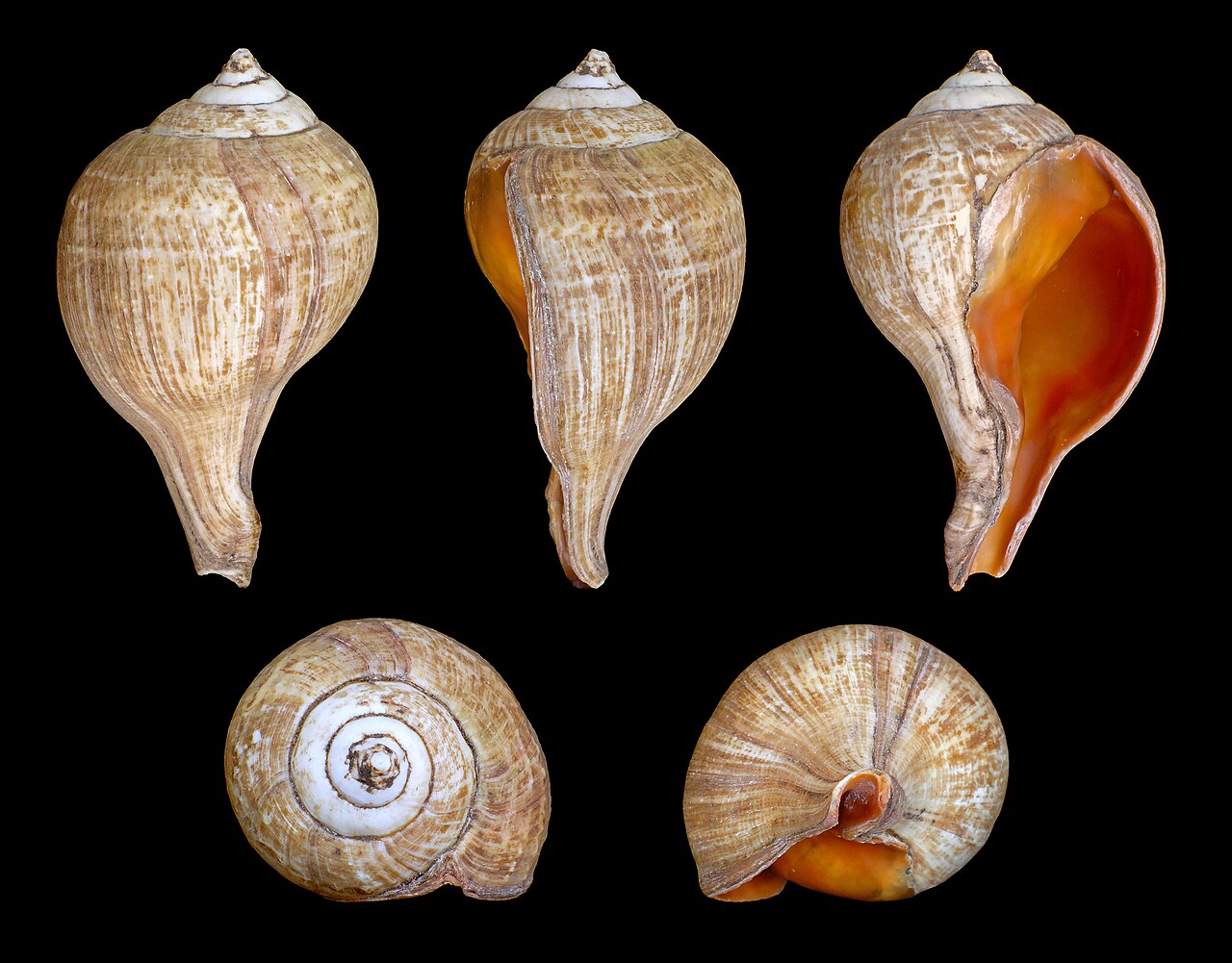
chank shell ശംഖ്
A big sea shell that people cut into bangles.
Korkai കൊർക്കൈ
An early port at the mouth of the Tamiraparani river.
workshop
A place where things are made by hand.
sawn
Cut with a saw or a blade.
Berenike ബെറനിക്കെയും മയോസ് ഹോർമോസും
A Red Sea port in Egypt that traded across the sea.

002Sequence

Step by step

Lesson length
  1. 455hook

    Teacher Show the bead drawing. Ask pupils what they notice about the five pieces and what they wonder. Accept every answer and record them on the board. Say that the drawing is not to scale.

    Pupils Look at the drawing. Say what you notice. Then say what you wonder.

    Screen 1 of 11: Look first

  2. 578model

    Teacher Model the rule with the drawing, before pupils meet the claim statements. Point to the finished bead and say: "A finished bead can travel far, so it could have been made anywhere." Point to the rough-out and the bead that broke while it was drilled, and say: "Rough-outs, chips and half-drilled pieces stay where the work was done. They are clues of making." Ask pupils to point to every clue of making in the drawing.

    Pupils Point to each piece in the drawing that is a clue of making.

    Screen 2 of 11: Bead clues at Kodumanal

  3. 689guided

    Teacher Read the Perur card and the shell card together. For each place, ask: which clues of making were found here, and which are missing? Point out the bounded words: "the reports the study read" and "the reports checked". They mean the clues were not in the reports read, not that they never existed.

    Pupils Read the Perur card and the shell card with your partner. Underline each clue of making.

    Screen 3 of 11: Glass beads at Perur

  4. 689independent

    Teacher Pupils sort the clue words on their sheet into the boxes clues of making and finished things. Chips, rough-outs, half-drilled beads, sawn shell waste and uncut shells found with it are clues of making. Finished beads and finished bangles are finished things. Walk round and ask each pair why a finished bead is not a clue of making.

    Pupils Sort the clue words into the boxes: clues of making and finished things.

    Screen 5 of 11: Sort

  5. 689claim

    Teacher Read each statement in the claim task. Pupils shade a box for each one and write a reason that names a clue, or a missing clue. Then reveal the study's level and its reason. If a pupil chose a different level with a good reason, say so out loud: a reason that names real evidence or a real gap earns the credit. In 30 minutes, grade the first three sentences and set the rest for next time.

    Pupils Shade a box for each statement. Write one reason that names a clue.

    Screen 6 of 11: How sure can we be?

  6. 345exit

    Teacher Ask the enquiry question again. Each pupil picks Kodumanal or Perur and writes whether its beads were made there or brought there, with one clue.

    Pupils Were these beads made here or brought here? Pick Kodumanal or Perur. Write your answer and one clue.

    Screen 11 of 11: Before you go

003Source cards

The three source cards

18 bound lines · 8 graded · 4 claims · 6 other records

Graded lines carry their How-sure glyph and 6-char hash; claims carry no fill glyph.

B3-SC1 · From the ground

Bead clues at Kodumanal
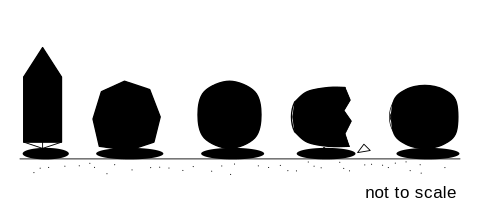
Five pieces of quartz side by side: a raw crystal, a chipped rough-out, a rounded blank with no hole, a bead that broke while it was drilled, and a finished bead with a hole through it. Not to scale.
What it cannot tell us Finding a bead at Kodumanal does not, on its own, show it was made there. Stands on: R111-C001 · a claim the study makes (not graded)
Look
Which pieces in the drawing show work, not just a finished bead?
Talk
Why do waste chips tell us more than a finished bead?
Ask
What would you like to know about the people who made the beads?

B3-SC2 · From the ground

Glass beads at Perur

A carnelian bead and a quartz crystal; quartz shaped from nodule to rough-out, blank and bead, with waste flakes and a drill hole; a soil section with a tagged bead.
What it cannot tell us Finished beads alone do not tell us where they were made. Stands on: R207-C006 · a claim the study makes (not graded)
Look
What did diggers find at Perur?
Talk
Which clues of making are missing at Perur?
Ask
Where else might the Perur beads have come from?

B3-SC3 · From the ground

Shell bangles at Korkai and Keezhadi

Turbinella pyrum 01

Photo: H. Zell (Wikimedia Commons). Licence: CC BY-SA 3.0 (https://creativecommons.org/licenses/by-sa/3.0). Source: https://commons.wikimedia.org/wiki/File:Turbinella_pyrum_01.jpg

What it cannot tell us Finished bangles show that bangles were used. On their own, they do not show where they were made. Stands on: R215-C012 · a claim the study makes (not graded)
Look
What did diggers find at Korkai that they did not find at Keezhadi?
Talk
What makes the Korkai clues stronger than the Keezhadi clues?
Ask
What would diggers need to find at Keezhadi to show bangles were made there?

    004Differentiation

    One task at three levels

    The three sheets use the same sources and the same task. Only the help changes.

    Support

    1. Circle the pieces in the drawing that are clues of making.
    2. Draw a line from each clue word to its box: clues of making or finished things.
    3. Circle what was missing at Perur: a furnace, or glass beads.
    4. Shade a box for each statement: strong evidence, probably, maybe or nobody knows yet.
    5. Were the Kodumanal beads made there? Circle yes or no. Then finish: because ...

    Help on the sheet

    • The bead drawing from the first card
    • A word box: chips, rough-out, half-drilled, finished, waste, furnace
    • The four how-sure boxes with their words. Strong evidence: shade it in. Probably: slanting lines. Maybe: dots. Nobody knows yet: leave it empty.

    Core

    1. The clues of making in the drawing are ...
    2. Sort each clue word into a box: clues of making or finished things.
    3. At Perur, the reports show no ...
    4. Shade a box for each statement. I chose it because ...
    5. The beads at ... were made there / brought there / we cannot tell, because ...

    Stretch

    1. Explain which pieces in the drawing are clues of making, and why.
    2. Sort the clue words and explain why a finished bead is not a clue of making.
    3. Compare the clues at Perur with the clues at Kodumanal.
    4. Grade each statement and explain your level.
    5. Were these beads made here or brought here? Use two places in your answer.

    Extension

    No dig report the study read records a saw from Korkai or Keezhadi. How could anyone tell what cut the shells?

    005Assessment

    How you will know

    The grading task

    Shade a box to show how sure we can be about each statement. Write one reason for each.

    1. Stone beads, especially quartz beads, were made at Kodumanal.
    2. Shell bangles were made locally at Korkai.
    3. Korkai made shell bangles on a very big scale.
    4. Glass beads were made at Perur.
    5. Keezhadi had a shell-bangle workshop.

    Exit task

    Were these beads made here or brought here? Pick Kodumanal or Perur. Write your answer and one clue.

    Open the answer key

    The key gives what this website's summary says for each task, two examples written by us, and how to credit a reasoned disagreement.

    006Misunderstandings

    Misunderstandings to listen for (not yet observed in a classroom)

    • If beads are found somewhere, they were made there.

      Finished beads alone do not identify their manufacturing location. Making leaves waste, rough-outs and unfinished pieces.

    • We know which tool cut the shell bangles.

      No inspected excavation source records a saw; Hornell reasoned from cut marks and Bengal practice.

    • Lots of finds means a big factory.

      Korkai's finds are called numerous, but no counts, weights or work-area plans have been found, so the scale is not shown.

    007With or without a screen

    With or without a screen

    Paper only

    Print the cut-out page for each pair and a sheet for each pupil. The bead drawing and the shell photo work in black and white. Draw the five pieces from the bead drawing on the board, side by side. Pupils sort and grade on paper and shade their certainty boxes in pencil.

    One screen and a projector

    Show the bead drawing, then the Perur card, then the shell card, then the claim statements, one per screen. Go back to the bead drawing while pupils write their exit answer.

    Classroom screen

    008Teacher notes

    Teacher notes

    • The bead drawing is a teaching drawing, not to scale. It sets the pieces side by side and does not claim that every bead was made in this order. It is not a photograph of one find.
    • Kodumanal also shows iron smelting: furnace remains, slag and air nozzles. This lesson keeps to beads, but mention it if pupils ask what else was made there.
    • Korkai: in 1912 James Hornell collected seventeen sawn pieces of shell-working waste from the surface.
    • Hornell inferred a thin-bladed iron saw from the cut marks, by comparison with Bengal practice. No saw was reported with those pieces. That is why the cards say no saw is recorded.
    • At Perur, the glass beads come from Period II of the Archaeological Survey of India's dig, together with beads of terracotta and paste.
    • The bead lab uses practice specimens and illustrative dimensions. They are not measurements of accessioned finds from Pattanam, Kodumanal or Keezhadi.
    • The timeline places Kodumanal's bead-making in the window 500 to 200 BCE, where this lesson sits.
    • Perur's beads are later than Kodumanal's workshop: the excavators place them in the third to sixth centuries CE.

    On this website

    009Sources used

    Sources used

    Every fact in this lesson comes from these studies. The codes name the statements the lesson cites.

    010Downloads

    Everything to print

    Each document prints on A4 or US Letter. The Malayalam sheets are drafts that no Malayalam editor has yet reviewed.

    The unit pack

    Lesson B3 · Ages 9 to 11 · Lesson plan

    Made here?

    Were these beads made here or brought here?

    Unit B: How do we find out? · Ladder step Sort, Grade · Draft written with AI assistance; not yet tried in a classroom

    Objectives

    • I can sort clues of making from finished things.
    • I can use clues to say whether something was made in a place or brought there.
    • I can grade a statement about making and give a reason.

    Pupils should already know

    • Pupils have sorted found, worked out and nobody knows yet, and graded statements, in lessons B1 and B2.
    • Pupils know that making things leaves waste behind, such as wood shavings or paper offcuts.

    Key words: rough-outs and chips (Unfinished pieces and waste chips left over from making stone beads.); quartz (A hard, clear stone that beads can be made from.); furnace (A very hot oven for melting metal or glass.); chank shell (A big sea shell that people cut into bangles.); Korkai (An early port at the mouth of the Tamiraparani river.); workshop (A place where things are made by hand.); sawn (Cut with a saw or a blade.); Berenike (A Red Sea port in Egypt that traded across the sea.).

    Materials

    • Print One sheet per pupil: support, core or stretch; The cut-out page for each pair: three source cards and the four certainty cards
    • Screen The classroom screen for this lesson
    • Devices Optional: the bead lab on the labs page, one device per group
    • Paper only Print the cut-out page for each pair and a sheet for each pupil. The bead drawing and the shell photo work in black and white. Draw the five pieces from the bead drawing on the board, side by side. Pupils sort and grade on paper and shade their certainty boxes in pencil.

    Teacher notes

    • The bead drawing is a teaching drawing, not to scale. It sets the pieces side by side and does not claim that every bead was made in this order. It is not a photograph of one find.
    • Kodumanal also shows iron smelting: furnace remains, slag and air nozzles. This lesson keeps to beads, but mention it if pupils ask what else was made there.
    Layers of the South/educators/lessons/made-here/a97585a61f00Draft written with AI assistance; not yet tried in a classroomMalayalam draft, not yet reviewed by a Malayalam editorText CC BY-SA 4.0; photos as creditedPage 1/2

    Lesson B3 · Ages 9 to 11 · Lesson plan

    Made here?

    • Korkai: in 1912 James Hornell collected seventeen sawn pieces of shell-working waste from the surface.
    • Hornell inferred a thin-bladed iron saw from the cut marks, by comparison with Bengal practice. No saw was reported with those pieces. That is why the cards say no saw is recorded.
    • At Perur, the glass beads come from Period II of the Archaeological Survey of India's dig, together with beads of terracotta and paste.
    • The bead lab uses practice specimens and illustrative dimensions. They are not measurements of accessioned finds from Pattanam, Kodumanal or Keezhadi.
    • The timeline places Kodumanal's bead-making in the window 500 to 200 BCE, where this lesson sits.
    • Perur's beads are later than Kodumanal's workshop: the excavators place them in the third to sixth centuries CE.

    Misunderstandings to listen for (not yet observed in a classroom)

    • If beads are found somewhere, they were made there. Finished beads alone do not identify their manufacturing location. Making leaves waste, rough-outs and unfinished pieces.
    • We know which tool cut the shell bangles. No inspected excavation source records a saw; Hornell reasoned from cut marks and Bengal practice.
    • Lots of finds means a big factory. Korkai's finds are called numerous, but no counts, weights or work-area plans have been found, so the scale is not shown.

    Sources used

    • Kodumanal made stone beads and smelted iron on site R111-HS1, R111-C001, R111-HS2
    • Perur yielded glass beads but no sign that they were made there R207-P001, R207-C002, R207-HS2, R207-C006, R207-P008, R207-D002
    • Korkai shows chank-shell working; Keezhadi has finished bangles R215-HS1, R215-HS2, R215-HS3, R215-HS4, R215-C012, R215-C002, R215-P001
    Layers of the South/educators/lessons/made-here/a97585a61f00Draft written with AI assistance; not yet tried in a classroomMalayalam draft, not yet reviewed by a Malayalam editorText CC BY-SA 4.0; photos as creditedPage 2/2