Photomicrographs of pollen and spores from Chunakkara and Govindamuttom borehole cores
This material does not come from an excavated settlement and is not direct evidence of farming.
- Land & water
Monsoon winds shaped ancient sailing without fixing one timetable
Seasonal winds shaped ocean voyages, but each leg, from the Red Sea to a safe Indian harbour, needed its own planning and evidence.
- How sure
- 3 Well supported
- 1 Not known
- This page
- 1,012 words · revision 5
Draft study · Awaiting specialist review · Updated
001Dates and places

No mapped place in this study.
Dates in this study are stated in words only.
- 3 Well supported
- 1 Not known
002How sure
In brief
This study explains what monsoon winds can and cannot tell us about ancient voyages. The Periplus, a first-century CE sailing guide, links open-sea crossings to seasonal winds; secondary scholarship on the Periplus and Pliny also notes customary sailing windows (leaving Egypt around July and returning from India in December or early January; not rechecked in full editions here), which reflect one corridor rather than a universal schedule. Arrival was also a separate problem: at Barygaza, ships faced dangerous approaches, tides and local pilots, while other passages name Ocelis as a watering stop and describe ports where ships and cargo could wait. A journey therefore breaks into legs: inland travel, leaving the Red Sea, crossing the Arabian Sea, coasting and the final approach. Modern weather science adds a caution: India's official “normal” monsoon dates are modern statistical averages, not the weather of any ancient year, and the withdrawal of the south-west monsoon and onset of the north-east monsoon are not one simple reversal. The two weather studies were read as abstracts only.
Key researchers cited in this study: Wilfred H. Schoff (Periplus Translation & Commentary) · Full bibliography
How sure
- Well supported
The Periplus links direct open-sea crossings to seasonal winds.
Stated in the text, read here in Schoff's 1912 translation.
- Well supported
Arriving safely at a port like Barygaza needed local knowledge beyond the crossing.
The Periplus describes dangerous approaches, tides and local pilots there.
- Well supported
Modern “normal” monsoon dates do not give the weather of any ancient year.
They are statistical averages over modern observation periods, as Pai and colleagues explain.
- Not known
The sailing dates or duration of any particular ancient voyage.
The study reconstructs no ancient weather; each leg would need its own evidence.
Why it matters
It keeps a modern weather map from being read as an ancient sailing timetable.
003Key findings
What the study concludes
- Observed modern seasonal patterns are context, not daily weather records for the ancient world.
- Withdrawal and northeast-monsoon onset are not one uniform reversal everywhere.
- A favorable open-water crossing does not settle the river, coastal and desert legs.
In the study’s own words. How sure each point is, is shown above.
The summary above is the short read. The full study is the complete text it was drawn from, with its tables and source notes.
What the full study covers
004The study
Main findings
- Observed modern seasonal patterns are context, not daily weather records for the ancient world.
- Withdrawal and northeast-monsoon onset are not one uniform reversal everywhere.
- A favorable open-water crossing does not settle the river, coastal and desert legs.
What the ancient sailing account can tell us
The Periplus links direct crossings of the open sea to seasonal winds and to a tradition associated with the name Hippalus. 1 “Pliny's forty days run from Ocelis to Muziris, not from Egypt” and “The Periplus describes linked ports on the southwest Indian coast” examine that story and why it is not a simple tale of discovery. Secondary accounts of the Periplus and Pliny note customary sailing windows – leaving Egypt around July and starting back from India in December or early January (those passages were not checked in critical editions for this study) – which belong to one corridor rather than a universal schedule. Other entries remind us that conditions change between locations. The description of Barygaza emphasizes dangerous approaches, tidal effects and assistance from local pilots. Those details belong to that port. Their larger lesson is that an ocean passage and a safe arrival are different navigational problems. 2
Stages 1–2 reconstruct Malabar harvest and river-to-roadstead lighterage from Sangam poems, Periplus §54–56, and Pattanam context; Stage 3 combines Periplus monsoon routing with the Muziris loan contract; Stages 4–5 (Eastern Desert camels, Koptos-Nile barges, and Alexandria 25% tetarte customs valuation) are directly detailed in P.Vindob. G 40822.
Layers of the South editorial illustration
Modern seasonal winds, drawn as a schematic summary, not wind data or ancient routes. The summer monsoon is stronger and reaches Kerala; the winter monsoon is weaker and broader.
The map shows modern seasonal winds only as context; this study explains why a monsoon is not a timetable.
Layers of the South editorial illustration
What modern meteorology contributes
Pai and colleagues’ 2020 study revises normal dates of southwest-monsoon onset and withdrawal using modern observations. The periods of data and the definitions are part of the result. A modern normal is a statistical description, not the date on which the weather changed in every year of the past. 3 A 2025 review treats the northeast monsoon over the southern peninsula and its variability as a substantial subject in its own right. A separate operational study examines how rainfall and circulation help identify onset. Together they caution against treating “receding monsoon” as a single wind arrow mechanically turned through half a circle. Only the abstracts of these two studies were read, not their full technical derivations. 45
Break the journey into legs
A useful route model should separate inland access, departure from the Red Sea, the open Arabian Sea, coastal movement and the final approach. For each leg, ask what direction is required, what local information is needed and what alternate arrangements are possible. The evidence for one leg must not silently become evidence for the others. The Periplus names Ocelis as a stopping place with water near a difficult strait; its other entries describe ports where vessels and cargo may wait. It does not depict the entire trading world moving as a synchronized convoy. Even within the text’s own account, stopping, provisioning and proceeding are separate decisions. 6 “Pliny's forty days run from Ocelis to Muziris, not from Egypt” sets out the legs that Pliny gives for the voyage from Egypt to Muziris.
Waiting need not mean physical impossibility
“There is no way to leave” is a consequential historical claim. It needs more support than the phrase “wrong season.” Affordability, introductions, a vessel’s destination and an onward connection are distinct possible constraints. Their presence in any particular case requires evidence. A route model can make uncertainty concrete without assigning a false schedule: enquiries at a landing, unfinished repairs, provisioning and onward connections concern different stages. Each is a possibility to test, not a reconstructed event.
Photomicrographs of selected palynomorphs from Vettiyar, Karunagapalli South and Valummelpunja borehole cores
This material does not come from an excavated settlement and is not direct evidence of farming.
Conclusion
Seasonality is indispensable context, but it does not decide a whole journey by itself. The responsible next step is a route-specific calendar with explicit assumptions, alternative connections and sources for each stage – not a single annual deadline applied to every traveler.
What remains uncertain
- The study reconstructs no daily weather for any ancient year.
- The modern meteorological studies were read as abstracts only.
The next questions
- What are the independent windows and constraints for each proposed journey leg?
- How would voyage estimates change with provisioning, repairs and onward connections?
References and access notes
1 Anonymous; translated by Wilfred H. Schoff (1912 translation). The Periplus of the Erythraean Sea. §57; compare the route descriptions in §§54–56. Relevant numbered sections read. University of Washington transcription of the 1912 translation, with some later editorial glosses. Ancient composition is usually placed around the middle of the first century CE, not the translation date. Schoff’s translation is public domain in the United States; no complete modern translation is reproduced. Open source: depts.washington.edu
2 Anonymous; translated by Wilfred H. Schoff (1912 translation). The Periplus of the Erythraean Sea. §§43–46. Relevant numbered sections read. University of Washington transcription of the 1912 translation, with some later editorial glosses. Ancient composition is usually placed around the middle of the first century CE, not the translation date. Schoff’s translation is public domain in the United States; no complete modern translation is reproduced. Open source: depts.washington.edu
Periplus §§58–60: Comari, Colchi, pearl divers and eastern ports,1912 edition
1912
3 D. S. Pai et al. (2020). Normal dates of onset/progress and withdrawal of southwest monsoon over India. MAUSAM 71(4); abstract, especially periods used for normal dates. Abstract and bibliographic record read. Modern rainfall-based operational normals are not a reconstruction of sailing conditions in 20 CE. Open source: mausamjournal.imd.gov.in
4 Y. E. A. Raj, S. Balachandran, B. Amudha and B. Geetha (2025). Understanding and prediction of Indian Northeast Monsoon over the years. MAUSAM 76(1), 139–162; abstract. Abstract and bibliographic record read. Introduces the modern seasonal framework and variability. Only the abstract and bibliographic record were consulted here; the full review and its historical data were not examined directly. Open source: mausamjournal.imd.gov.in
5 G. C. Satyanarayana et al. (2020). Onset of northeast monsoon over South Peninsular India. MAUSAM 71(3), 503–512; onset criteria. Abstract read. Its wind and rainfall criteria help distinguish physical circulation from a single calendar label. The modern study cannot supply ancient weather observations. Open source: mausamjournal.imd.gov.in
6 Anonymous; translated by Wilfred H. Schoff (1912 translation). The Periplus of the Erythraean Sea. §§25, 30–32. Relevant numbered sections read. University of Washington transcription of the 1912 translation, with some later editorial glosses. Ancient composition is usually placed around the middle of the first century CE, not the translation date. Schoff’s translation is public domain in the United States; no complete modern translation is reproduced. Open source: depts.washington.edu
005Photographs
Photographs of the places and objects this study discusses. Each item carries its creator’s credit, licence and documented source. See all 412 photographs and source images ↗

Photomicrographs of pollen and spores from Chunakkara and Govindamuttom borehole cores
This material does not come from an excavated settlement and is not direct evidence of farming.

Photomicrographs of selected palynomorphs from Vettiyar, Karunagapalli South and Valummelpunja borehole cores
This material does not come from an excavated settlement and is not direct evidence of farming.

1912
Periplus §§58–60: Comari, Colchi, pearl divers and eastern ports,1912 edition
Printed p 46 of Schoff’s 1912 Periplus translation: Comari, Colchi, pearl fisheries, the Pandian kingdom and the ports Camara, Poduca and Sopatma.

1912
Periplus §§53–56: Muziris, Nelcynda and the Pandian kingdom,1912 edition
Printed p 44 of Schoff’s 1912 translation of the Periplus, describing Muziris, Nelcynda, river distances, kingdoms and ships carrying pepper.

1912
Periplus §§56–57: pepper, imports and sailing winds,1912 edition
Printed p 45 of Schoff’s 1912 Periplus translation, continuing the list of imports and exports and discussing the ocean crossing and Hippalus wind.
The wording is the 1912 translator’s English, not the Greek original.
Photographed 2009-10-04 16:58
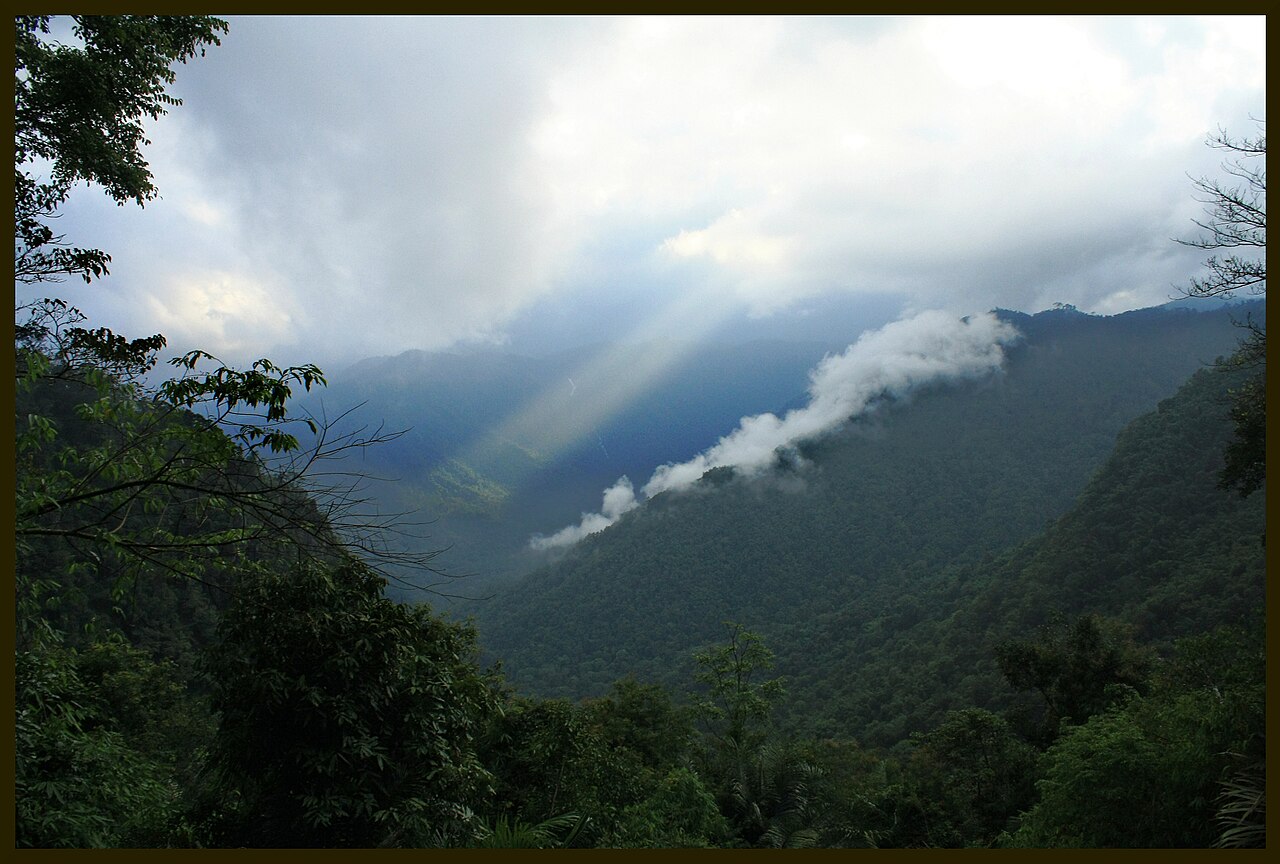
Kerala Monsoon clouds over Western Ghats India – Modern weather photograph
Kerala Monsoon clouds over Western Ghats India. Modern weather photograph; illustrates monsoon conditions, not a historical sailing timetable.
006Where next
All related studies, connected material, books and sources12 · 6
Elsewhere on this site
Read this study with a guided path: Follow a voyage
Junior Detective Quests: Catch the Wind: Planning a Monsoon Voyage
Classroom Lesson Plans: Module 2 · The Monsoon Engine: How Winds, Rivers & Boats Connected the Indian Ocean
Multi-Script Glossary Terms: Hippalos (Southwest Monsoon Wind) (இப்பாலஸ் / தென்மேற்குப் பருவக்காற்று / ഹിപ്പാലസ് / കാലവർഷം) · cākara (Malabar Seasonal Mudbank Roadstead) (சேற்றுப்படுகை (மலபார் சாகரை) / ചാകര) · iṭavappāti & tulāvarṣam (Dual Monsoon Regimes) (தென்மேற்கு & வடகிழக்குப் பருவமழை / ഇടവപ്പാതിയും തുലാവർഷവും)
Connected material
Photographs, drawings, books, videos and other studies linked to this study. A link helps you explore; it does not prove a historical claim.
- Periplus §§53–56: Muziris, Nelcynda and the Pandian kingdom,1912 editionhistorical printed pageBackground
- Periplus §§56–57: pepper, imports and sailing winds,1912 editionhistorical printed pageBackground
- Periplus §§58–60: Comari, Colchi, pearl divers and eastern ports,1912 editionhistorical printed pageBackground
- Photomicrographs of pollen and spores from Chunakkara and Govindamuttom borehole coresscientific photomicrographShows the subject
- Photomicrographs of selected palynomorphs from Vettiyar, Karunagapalli South and Valummelpunja borehole coresscientific photomicrographShows the subject
- Kerala Monsoon clouds over Western Ghats India – Modern weather photographphotographBackground
- Across an ocean – and across EgyptdiagramThe arrows show wind direction only, as this study of monsoon seasons advises.
- The sea changes with the seasondiagramThe map shows modern seasonal winds only as context; this study explains why a monsoon is not a timetable.
- Catch the wind. Read the coast.diagramSeasonal winds help explain the open-sea crossing, but the coast and the river mouth set their own limits.
- Reconstructed pepper transport chain from Malabar to Alexandria, showing where P.Vindob. G 40822 beginsdiagramIllustrates the five-stage Malabar-to-Alexandria pepper transport chain, distinguishing reconstructed Indian legs from Egyptian clauses attested in P.Vindob. G 40822.
- Seasonal monsoon wind reversal across the western Indian OceandiagramIllustrates the Arabian Sea SW and NE monsoon wind reversal for maritime quests and trade pages.
- The monsoon coast: Kerala and Tamil Nadu between the Arabian Sea and the Bay of BengaldiagramThe still wind marks and the live wind over the sea give seasonal context for the sailing seasons discussed in this study; they are a simplified modern pattern, not ancient weather or routes.
Books, videos and websites
Outside reading on this topic. These are not part of the study and we have not checked every claim in them. See all books and videos
- The Periplus Maris Erythraei: Text with Introduction, Translation, and Commentary Book · Lionel Casson · 1989 · The standard critical Greek text, English translation, and nautical/commercial commentary on the anonymous 1st-century CE Egyptian Greek merchant manual describing Naura, Tyndis, Muziris, Nelkynda, and Bakare.
- IJNA Webinar 6: Between practicality of windward sailing and predicting the weather Video · David Gal · University of Haifa (event affiliation) · 1:03:40 · Gal discusses practical sailing and weather prediction in reconstructing ancient maritime mobility. A valuable methodological counterweight to maps that make voyages look like fixed routes or schedules. The principal case material is Mediterranean. It supports questions and methods for Indian Ocean sailing, not direct estimates for a Kerala voyage.
- Monsoons: Wet, Dry, Repeat… (NASA Goddard / SVS 12255) Video · NASA’s Goddard Space Flight Center (producer Ryan Fitzgibbons & SVS team) · 3:28 · NASA Goddard visualization explaining the seasonal circulation reversal between wet summer and dry winter monsoon winds and rainfall across South Asia and the Indian Ocean (modern meteorology context, not evidence of ancient weather). Modern explanatory meteorology, not evidence of ancient weather. Credited third-party footage and music in the video must not be extracted or remixed; no video or audio files are hosted locally on this site.
007Sources
The study lists the sources it consulted; we have not rechecked them. A working link does not show that a source was read, and a valid identifier does not show that it supports a claim. We do not link to unofficial uploads or copies of publications. Where a study cited one, we show the published citation, or a publisher, DOI or Internet Archive link when we have one. Tracking codes are removed from links, and the sources themselves are not republished here.
Anonymous; translated by Wilfred H. Schoff (1912 translation). The Periplus of the Erythraean Sea. §57; compare the route descriptions in §§54–56. Relevant numbered sections inspec
Anonymous; translated by Wilfred H. Schoff (1912 translation). The Periplus of the Erythraean Sea. §57; compare the route descriptions in §§54–56. Relevant numbered sections read. University of Washington transcription of the 1912 translation, with some later editorial glosses. Ancient composition is usually placed around the middle of the first century CE, not the translation date. Schoff’s translation is public domain in the United States; no complete modern translation is reproduced.
Anonymous; translated by Wilfred H. Schoff (1912 translation). The Periplus of the Erythraean Sea. §§43–46. Relevant numbered sections read. University of Washington transcription of the 1912 translation, with some later editorial glosses. Ancient composition is usually placed around the middle of the first century CE, not the translation date. Schoff’s translation is public domain in the United States; no complete modern translation is reproduced.
D. S. Pai et al. (2020). Normal dates of onset/progress and withdrawal of southwest monsoon over India. MAUSAM 71(4); abstract, especially periods used for normal dates. Abstract and bibliographic record read. Modern rainfall-based operational normals are not a reconstruction of sailing conditions in 20 CE.
Y. E. A. Raj, S. Balachandran, B. Amudha and B. Geetha (2025). Understanding and prediction of Indian Northeast Monsoon over the years. MAUSAM 76(1), 139–162; abstract. Abstract and bibliographic record read. Introduces the modern seasonal framework and variability. The full review and its historical data were not read here.
G. C. Satyanarayana et al. (2020). Onset of northeast monsoon over South Peninsular India. MAUSAM 71(3), 503–512; onset criteria. Abstract read. Its wind and rainfall criteria help distinguish physical circulation from a single calendar label. The modern study cannot supply ancient weather observations.
Anonymous; translated by Wilfred H. Schoff (1912 translation). The Periplus of the Erythraean Sea. §§25, 30–32. Relevant numbered sections read. University of Washington transcription of the 1912 translation, with some later editorial glosses. Ancient composition is usually placed around the middle of the first century CE, not the translation date. Schoff’s translation is public domain in the United States; no complete modern translation is reproduced.
Researchers and institutions whose work this study uses: Wilfred H. Schoff
How we know The evidence, claims and dates behind this study
What this study draws on
- The Periplus of the Erythraean Sea in Schoff's 1912 English translation (sections 25, 30–32, 43–46 and 57).
- Three India Meteorological Department journal papers on monsoon onset and withdrawal, read as abstracts.
- Splitting the voyage into legs and asking what evidence supports each one.
Dates in this study
This study has no dates recorded in a form we can chart, so there is no date chart. Any dates it gives are in the full study.
The study’s claims
0 claims · 0 source passages · 14 paragraphs
Browse the study paragraph by paragraphThis study has no separately listed claims. Its paragraphs can be browsed one by one.
About this study Status, corrections and how it was made
Status
Draft study, revision 5. No historian, archaeologist, or Tamil or Malayalam specialist has reviewed it yet.
How it was made
Compiled as an editorial synthesis from published scholarship around questions we framed. About this project & workflow
The summary, How sure lines and Two views notes on this page were prepared from this study and cross-checked against its passages. That is an editorial check, not a specialist review.
Corrections and updates
Technical details
Study code R005. The text fingerprint changes whenever the study text changes.
- The study text is shown as written. Links from its paragraphs to citations help you move around the study; they are not new claims or checked source passages.
See how this study’s records were extracted
Text fingerprint (SHA-256): R005 · c6f080a66c304395398ac343… · v5
Evidence tables and technical details are on the web page: https://layersofthesouth.org/read/3b65c39997