010Catalogue page 10 of 12
Catalogue page 10.
Every title is a complete research study. Return to the study catalogue to inspect all 199 studies side by side.

Tamil Nadu’s 2025 report prints 3345 BCE for charcoal from a Sivagalai burial, but that value differs from the laboratory calibration reproduced with it. The sample dates associated…

Laboratory dates across Tamil Nadu show that burial, iron, writing and town life must each be dated separately, region by region.
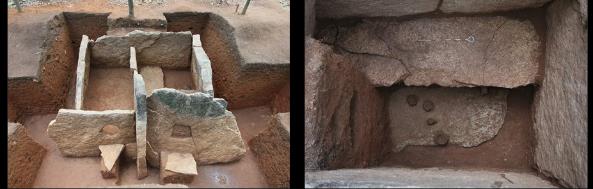 Belief & memoryTamil mourning poems and a Kerala stone burial, read side by side
Early Tamil poems voice grief to an urn-maker; a Kerala stone tomb may have been reused. Neither kind of evidence can replace the other.
Across the waterTamil writing found on pots at Egypt's Red Sea portsPots inscribed in Tamil-Brahmi at Berenike and Quseir show Tamil was written in the Red Sea trade; who wrote them, and where, is less clear.
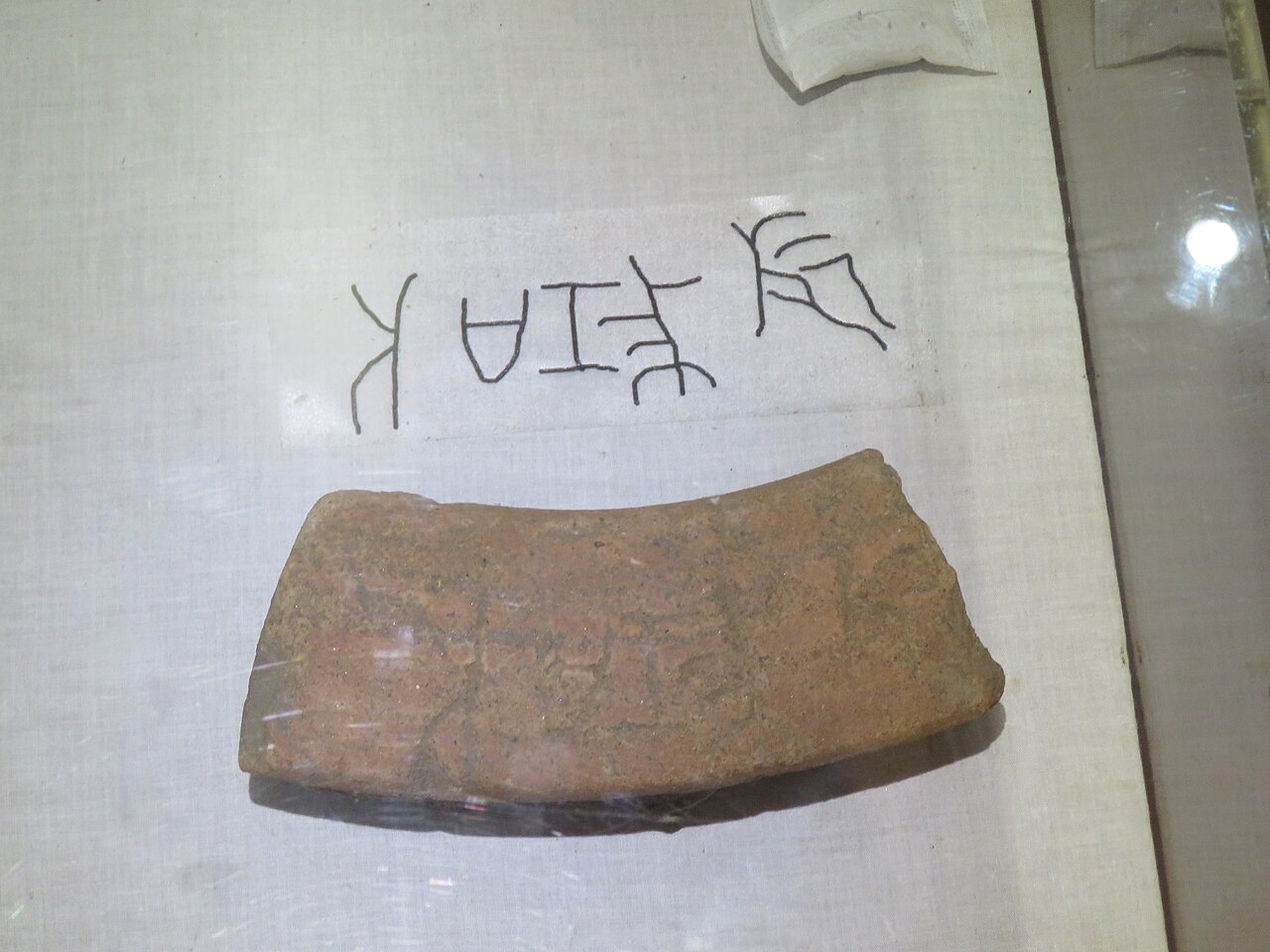 How we knowTamil-Brahmi comes from Brahmi; when it began is still disputed
Tamil-Brahmi clearly adapts the Brahmi script, but early radiocarbon dates from Porunthal, Kodumanal and Keezhadi (Keeladi) do not yet fix when it began.

Teak reached Berenike on the Red Sea and appears in the Periplus, but no reviewed source ties it to a Western Ghats forest or shipyard.
Across the waterTexts link pepper to inland Cottonara, not a whole routeAncient texts link pepper to an inland district and to land and water transport, but no source records a whole farm-to-ship route.
Across the waterThe Godavaya wreck shows early seafaring off Sri LankaGodavaya, a wreck off Sri Lanka dated broadly between the second century BCE and second century CE, may come from the southern subcontinent.

A one-line cave inscription at Jambai calls the donor Atiyan Neṭumāṉ Añci satiyaputō, strong evidence that Aśoka's Satiyaputo meant the Atiyan line.
Words & worldsThe Nedunalvadai pictures palace and camp, not a building recordNedunalvadai describes an elaborate palace and a ruler visiting wounded warriors at night. Its imagery reveals literary choices, not a measured building plan. The copper wall is a…
Words & worldsThe Patiṟṟuppattu is layered Chera praise poetry, not an archiveThe Chera praise anthology survives in eight of ten parts, with later prefaces and commentary; each layer must be read separately for history.
Across the waterThe Periplus describes linked ports on the southwest Indian coastA first-century Greek text names four ports on India's southwest coast; its trade list is firmer than any modern site identification.
Words & worldsThe early Chera seat of Vanchi fits Karur better than KodungallurInscriptions near Karur record an early Chera lineage, and archaeology shows a substantial settlement there. Together with literary evidence, they favour Karur for the early Chera seat…

Tamil poems place Yavanas as wine bringers, royal-camp figures and lamp makers, and Prakrit inscriptions record Yavana donors; the word does not simply mean Roman.
Words & worldsThe yāḻ harp is known from poems, not from excavated findsEarly Tamil poems describe the yāḻ harp's hide-covered body, wooden arm and tensioned strings, but the reports checked include no excavated instrument.
Belief & memoryTheyyam's present form is placed in the late medieval periodThis study found no dated evidence linking Theyyam or Tira to Kerala's megaliths; secondary scholarship provisionally places Theyyam's present form in late-medieval north Malabar.
Made by handThree Tamil Nadu digs: shell workshop, inscribed pots, coffinsWaste shell, unfinished pieces and decorated bangles show shell-working at Vembakottai. The consulted technical account does not securely identify the shell species or every production…
Belief & memoryTirunatharkunru stone remembers a Jain teacher's 57-day fastA rock inscription near Gingee commemorates the Jain teacher Chandranandi, who died after a fast read as fifty-seven days, probably in the sixth century.