For teachers
Find a lesson
Filter by age, time, theme and board. Every lesson has a plan, sheets at three levels of support, cut-out cards, an answer key and a classroom screen.
000Find a lesson
Every lesson, by age
Ages 7 to 9
Lesson A1 · Ages 7 to 9 · 30 / 45 minutes
Two-colour pots
Why is this pot two colours?
Lesson A2 · Ages 7 to 9 · 30 / 45 minutes
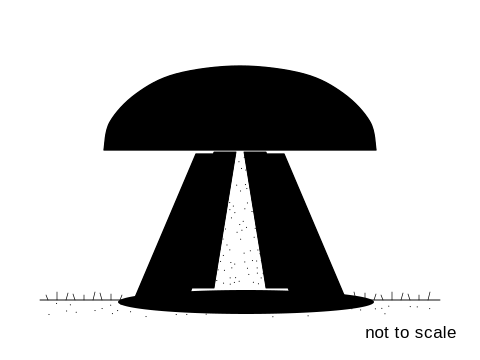
Stones that mark
Do these stones always mark a grave?
Lesson A3 · Ages 7 to 9 · 30 / 45 minutes
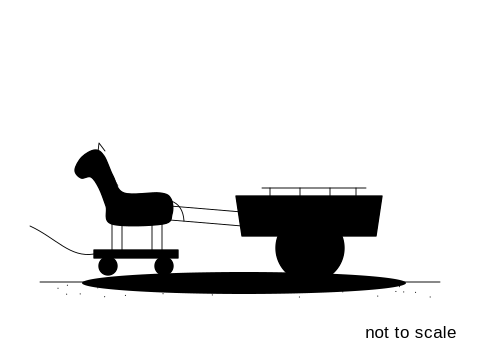
Toy carts
Did children long ago have toys?
Lesson A4 · Ages 7 to 9 · 30 / 45 minutes
What was for dinner?
What did people eat?
Unit pack A · Ages 7 to 9
What did people leave behind?
What can the things people left behind tell us about their lives?
Lessons in this pack: A1 Two-colour pots, A2 Stones that mark, A3 Toy carts, A4 What was for dinner?


Ages 9 to 11
Lesson B1 · Ages 9 to 11 · 30 / 40 / 45 minutes
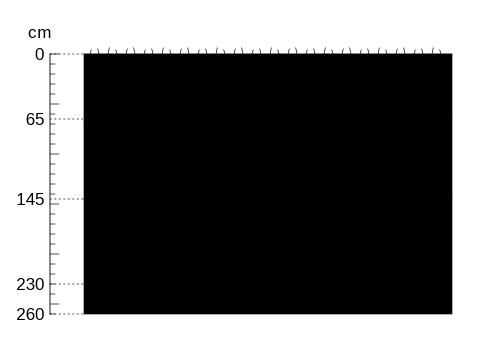
Deeper is older?
Is the deepest thing always the oldest?
Lesson B2 · Ages 9 to 11 · 30 / 40 / 45 minutes
Letters on pots
Who wrote on these pots?
Lesson B3 · Ages 9 to 11 · 30 / 40 / 45 minutes
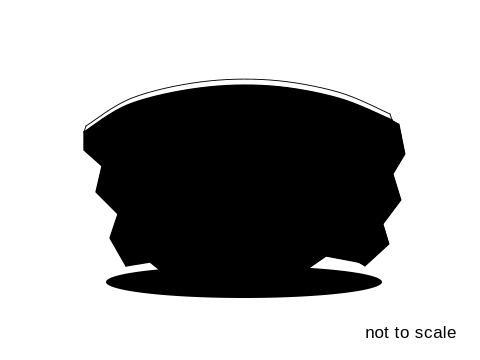
Made here?
Were these beads made here or brought here?
Lesson B4 · Ages 9 to 11 · 30 / 40 / 45 minutes
Coins from far away
What can a coin tell us, and what can't it?
Unit pack B · Ages 9 to 11
How do we find out?
How do archaeologists find out about people who lived long ago?
Lessons in this pack: B1 Deeper is older?, B2 Letters on pots, B3 Made here?, B4 Coins from far away
Ages 11 to 14
Lesson C1 · Ages 11 to 14 · 30 / 45 / 60 minutes
Megaliths as sources
What can megaliths tell us, and what can't they?
Lesson C2 · Ages 11 to 14 · 30 / 45 / 60 minutes
Poems as evidence
Can a love poem be historical evidence?
Lesson C3 · Ages 11 to 14 · 30 / 45 / 60 minutes
Kings in stone and coin
How do we know the names of early kings?
Lesson C4 · Ages 11 to 14 · 30 / 45 / 60 minutes
Pepper and the monsoon
How did pepper travel west, and how do we know?
Lesson C5 · Ages 11 to 14 · 30 / 45 / 60 minutes
Local history from remains
How would you write the early history of one place?
Unit pack C · Ages 11 to 14
Kingdoms, trade and the evidence
How do we know about the early kingdoms of the south and their trade?
Lessons in this pack: C1 Megaliths as sources, C2 Poems as evidence, C3 Kings in stone and coin, C4 Pepper and the monsoon, C5 Local history from remains
Lab assignment · Ages 11 to 14 · 40 minutes
What does this date measure?
An assignment on one of the site's field labs, with a record sheet to print.
Lab assignment · Ages 11 to 14 · 30 minutes
What can a shadow tell you about a mark, and what can't it?
An assignment on one of the site's field labs, with a record sheet to print.
Lab assignment · Ages 11 to 14 · 30 minutes
Estimate a mouth width from a rim, and say what the estimate cannot tell you
An assignment on one of the site's field labs, with a record sheet to print.
Lab assignment · Ages 11 to 14 · 40 minutes
Put the layers in order and explain the later pit
An assignment on one of the site's field labs, with a record sheet to print.
Lab assignment · Ages 11 to 14 · 30 minutes
Read Pliny's forty days against the seasons
An assignment on one of the site's field labs, with a record sheet to print.


Ages 14 to 18
Lesson D1 · Ages 14 to 18 · 50 / 60 minutes
What does a date measure?
What does a date actually date?
Lesson D2 · Ages 14 to 18 · 50 / 60 minutes
Pepper, texts and finds
Do the texts and the finds tell the same story about trade?
Lesson D3 · Ages 14 to 18 · 50 / 60 minutes
Where was Muziris?
Is Pattanam Muziris?
Lesson D4 · Ages 14 to 18 · 50 / 60 minutes
Testing popular claims
Why do some popular claims go further than the evidence?
Lesson D5 · Ages 14 to 18 · 50 / 60 / 90 minutes
Two views
Why do historians disagree, and what would settle it?
Unit pack D · Ages 14 to 18
How sure can we be?
How sure can we be about early South India's links with the wider world, and why do scholars disagree?
Lessons in this pack: D1 What does a date measure?, D2 Pepper, texts and finds, D3 Where was Muziris?, D4 Testing popular claims, D5 Two views


| Lesson | Ages | Minutes | Curriculum lines |
|---|---|---|---|
| A1 Two-colour pots | 7 to 9 | 30 / 45 | Skills only |
| A2 Stones that mark | 7 to 9 | 30 / 45 | Skills only |
| A3 Toy carts | 7 to 9 | 30 / 45 | Skills only |
| A4 What was for dinner? | 7 to 9 | 30 / 45 | SCERT Kerala Unit 2 "Food and Human" |
| B1 Deeper is older? | 9 to 11 | 30 / 40 / 45 | Skills only |
| B2 Letters on pots | 9 to 11 | 30 / 40 / 45 | Skills only |
| B3 Made here? | 9 to 11 | 30 / 40 / 45 | Skills only |
| B4 Coins from far away | 9 to 11 | 30 / 40 / 45 | Skills only |
| C1 Megaliths as sources | 11 to 14 | 30 / 45 / 60 | SCERT Kerala Unit 8 "Towards South Indian History", SCERT Kerala Unit 12 "The Foundation Stones of History" |
| C2 Poems as evidence | 11 to 14 | 30 / 45 / 60 | SCERT Kerala Unit 8 "Towards South Indian History", NCERT Ch. 6 "The Age of Reorganisation", section "Kingdoms and Life in the South" |
| C3 Kings in stone and coin | 11 to 14 | 30 / 45 / 60 | SCERT Kerala Unit 8 "Towards South Indian History", NCERT Ch. 6 "The Age of Reorganisation", section "Kingdoms and Life in the South", NCERT Ch. 5 "The Rise of Empires", SCERT Kerala Units 01–03 |
| C4 Pepper and the monsoon | 11 to 14 | 30 / 45 / 60 | SCERT Kerala Unit 8 "Towards South Indian History", NCERT Ch. 6 "The Age of Reorganisation", section "Kingdoms and Life in the South", CBSE Theme 4 "India and the World-I (1900 BCE–1200 CE)" |
| C5 Local history from remains | 11 to 14 | 30 / 45 / 60 | SCERT Kerala Unit 12 "The Foundation Stones of History" |
| D1 What does a date measure? | 14 to 18 | 50 / 60 | NCERT Theme One "Bricks, Beads and Bones" |
| D2 Pepper, texts and finds | 14 to 18 | 50 / 60 | NCERT Theme Two "Kings, Farmers and Towns: Early States and Economies", CBSE Theme 4 "India and the World-I (1900 BCE–1200 CE)", CBSE Class XII Part I, Theme 2 (Early States and Economies) |
| D3 Where was Muziris? | 14 to 18 | 50 / 60 | NCERT Theme Two "Kings, Farmers and Towns: Early States and Economies", CBSE Class XII Part I, Theme 2 (Early States and Economies) |
| D4 Testing popular claims | 14 to 18 | 50 / 60 | Department for Education (England) Aims on interpretations and methods of enquiry |
| D5 Two views | 14 to 18 | 50 / 60 / 90 | CBSE Class XII Project Work (20 marks), Department for Education (England) Aims on interpretations and methods of enquiry, National Council for the Social Studies (United States) Inquiry Arc, Dimensions 1 to 4 |